

FULL INSTALLATION SERVICES
Generator Installation in Portland & Southern Maine
Automatic Standby Power · Whole-Home Coverage · Professionally Sized & Installed
- Google reviews
- Licensed & insured
- Since 2019
 Efficiency Maine Registered Vendor
- 100% Satisfaction Guarantee
Current offers & financing
See all coupons →WATER HEATER SERVICES
Financing
Financing available
Finance up to 100% of your project with low monthly payments through our lending partners. Quick approval, no prepayment penalty.
Our Approach to Generator Installation
How a Standby Generator Works
- Standby generator — starts itself within seconds of an outage
- Automatic transfer switch — throws from utility to generator power
- Utility service — disconnected while the switch is on generator
- Feed to the panel — the switch, not the generator, connects to the house
- Weekly exercise cycle — runs itself briefly so it starts when needed
Maine storms knock out power when you need it most. Aces Highlands installs whole-house standby generators that switch on automatically — keeping your heat, water, and essentials running through any outage in Greater Portland and Southern Maine.
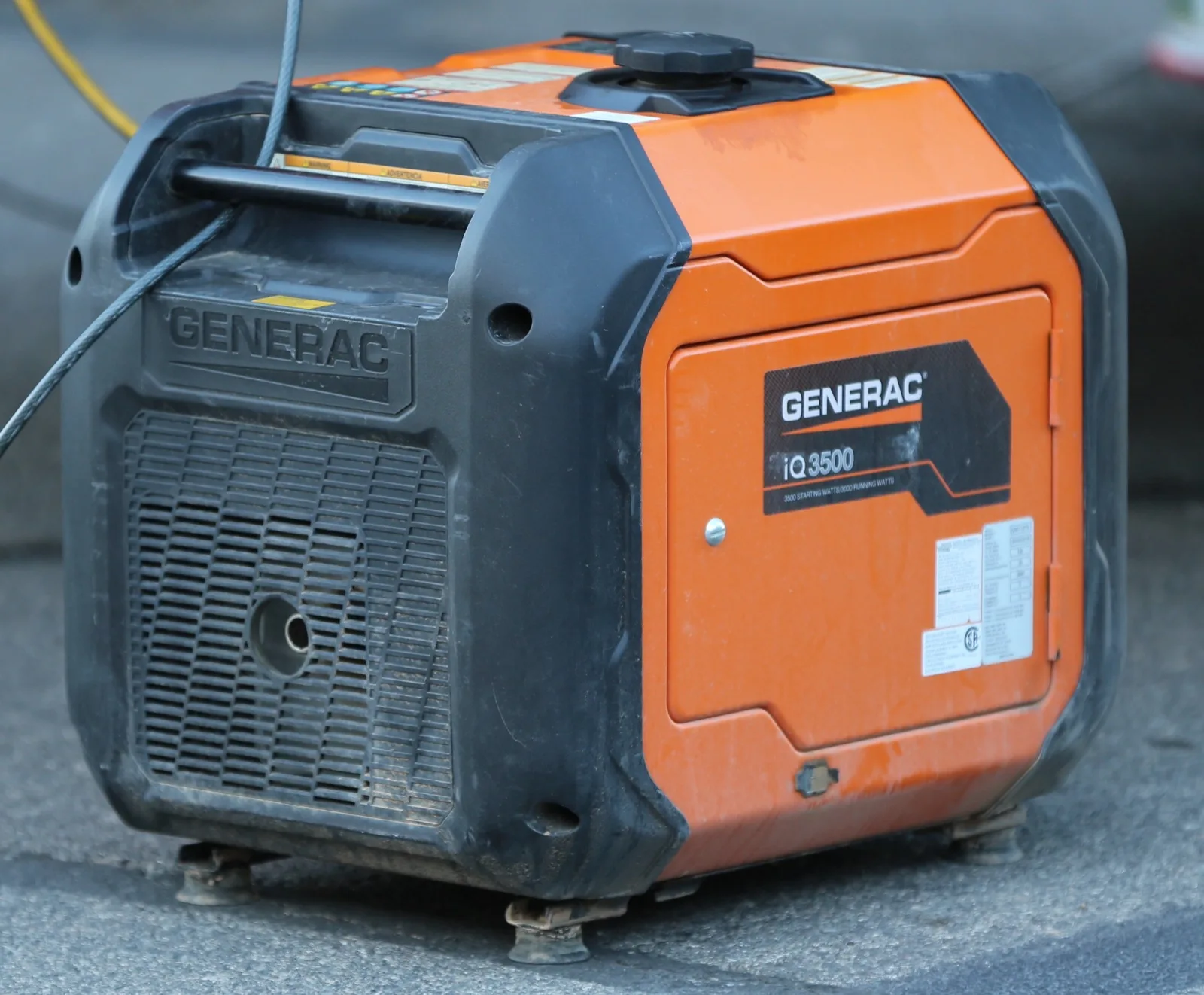
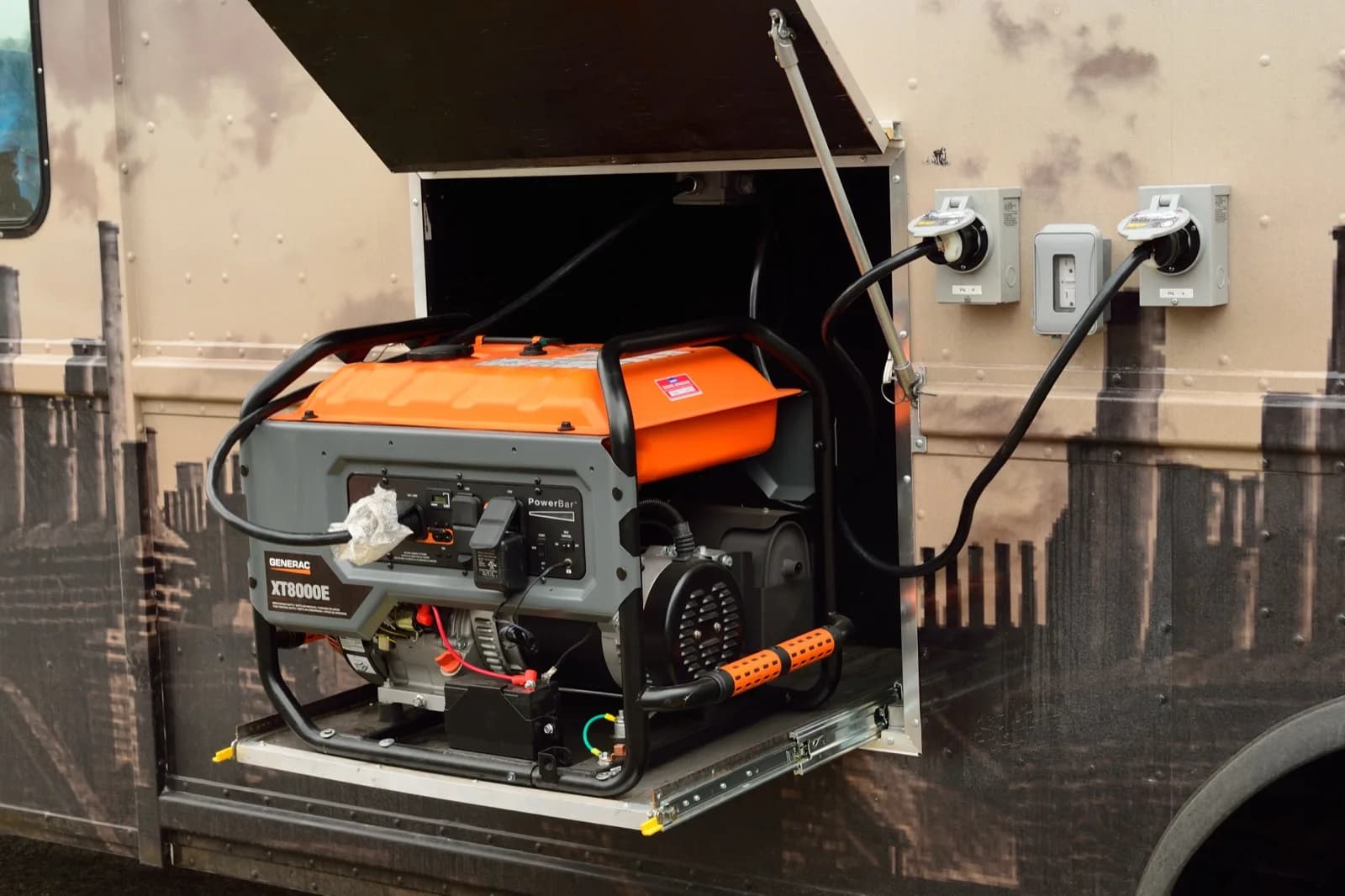
A standby generator sits permanently outside your home and starts automatically the moment the power goes out — no cords, no manual switching, no cold nights. We install Generac and other leading standby systems sized to cover your whole home or just the circuits that matter most: heating, well pump, refrigeration, sump pump, and lighting.
Every installation includes a properly sized generator, an automatic transfer switch wired to your electrical panel, and a fuel connection to natural gas or propane. We handle permitting, placement, and inspection so your system is safe, code-compliant, and ready before the next storm.
We start with a load assessment to recommend the right capacity for your needs and budget — no overspending on a unit larger than you need. We offer financing options on whole-house generators, and we provide ongoing maintenance to keep your backup power ready year-round. Contact us for a free estimate.
Standby vs. Portable Generator: Which Makes Sense in Maine?
A portable generator is cheaper up front, but it only helps if someone is home to wheel it out, fuel it, and run cords — in the dark, in an ice storm. A standby generator starts itself within seconds of an outage, runs on your propane or natural gas supply, powers circuits through a proper transfer switch, and shuts itself off when the grid returns. For Maine homes, the decisive factor is usually heat: an extended winter outage with no heat risks frozen pipes and thousands in water damage, and a standby unit protects the house whether you are home or not.
If you already own a portable generator, there is a middle path worth knowing about: we can install a manual transfer switch or interlock so your portable unit safely powers selected circuits — no extension cords through windows, and no dangerous backfeeding. As a local company, we will recommend whichever solution actually fits your risk and budget rather than defaulting to the biggest ticket.
How Is a Standby Generator Sized, and What Does It Cost?
Sizing starts with a load assessment: which circuits must stay live in an outage? Essentials-only coverage — heat, well pump, refrigerator, sump pump, some lights — often fits a 10-14 kW unit, while whole-home coverage for a typical house runs 18-26 kW. Nationally, installed standby systems typically land in the $9,000-$15,000 range depending on capacity, fuel connection, and placement; an essentials-only setup costs meaningfully less than whole-home.
Our installation covers the concrete or composite pad, the automatic transfer switch at your electrical panel, the gas or propane fuel connection, permitting, and inspection — performed under our Maine electrical, plumbing, and gas licensing, which matters because a standby generator is one of the few projects that is electrical and fuel work at the same time. Aces Highlands holds both sides of that job in-house.
Homeowner Guide
Standby Generators: Sizing, Transfer Switches & Fault Lights
Maine loses power in a way most of the country doesn't — a January ice storm can mean days, not hours. A standby generator is one of the few electrical projects homeowners research almost as thoroughly as we do, so here's the technical part laid out plainly.
Automatic Transfer Switch: The Part That Actually Matters
The generator itself gets the attention, but the automatic transfer switch (ATS) is what makes it safe and automatic. When utility power drops, the ATS disconnects your house from the grid before it connects the generator — which is what stops your generator from back-feeding power onto utility lines a repair crew might be touching. A generator wired without a proper transfer switch is a genuine hazard to line workers, and it's not legal to install that way.
Once utility power returns, the ATS switches back automatically and shuts the generator down after a brief cool-down run.
Whole-House vs. Partial-House Sizing
A whole-house generator is sized to run everything at once, including central air and an electric range. Most Maine homes don't need that — we size to the loads that actually matter during an outage: the heating system's controls and circulator or blower, the well pump, the refrigerator, some lighting and outlet circuits, and often a sump pump. A managed-load or partial-house unit covering those circuits costs meaningfully less than whole-house and covers what an outage actually threatens: heat, water, and food safety.
Fuel source is part of the sizing conversation too — propane and natural gas units start automatically and run as long as fuel is supplied, while diesel units need to be refueled manually during an extended outage.
The Weekly Exercise Cycle Isn't Optional
Every standby generator runs a short self-test on a schedule you set — typically weekly — cycling the engine for several minutes without transferring the load. This isn't a novelty feature; it's what keeps the oil circulating, the battery charged, and the fuel system from gumming up, so the unit actually starts when you need it during a real outage. We set this schedule during installation and it's worth confirming it's still running after any power blip resets the controller's clock.

Generac Evolution and Sync Controllers
Generac's Evolution and Sync controllers don't make you decode a number — the LCD screen spells the alarm out in plain English, and the unit logs it so it's still there if you missed the moment it happened. These are the ones we see most on service calls.
| Alarm | What it means |
|---|---|
| RPM Sense Loss | The controller lost the engine's speed signal — often a wiring or sensor fault rather than the engine itself. |
| Overcrank | The engine didn't start within the controller's cranking attempts; low fuel pressure, a weak battery, or a spark/ignition fault are the usual causes. |
| Low Oil Pressure | The oil pressure switch opened during a run. The unit shuts down rather than risk running the engine low. |
| Over/Under Voltage | Generator output voltage moved outside the controller's acceptable range. |
| Over/Under Frequency | Output frequency drifted from 60 Hz, which usually points to an engine speed-governing problem. |
| Battery Problem / Low Battery | Starting battery voltage is too low to be trusted — the single most common reason a generator fails to crank during an actual outage. |
| Warning — Charger Fault | The battery charger built into the controller isn't maintaining the battery correctly. |

Kohler (Rehlko) RDC2 and DC Controllers
Kohler's home standby line — sold under the Rehlko name since the company's 2025 rebrand — uses the same plain-language approach on its RDC2 and older DC controllers, with the display distinguishing a warning you can keep running through from a fault that shuts the unit down.
| Fault | What it means |
|---|---|
| Low Oil Pressure | Shuts the engine down immediately to prevent damage. |
| High Engine Temperature | Engine or coolant temperature exceeded the safe operating limit. |
| Overcrank | The engine failed to start within the controller's cranking cycle. |
| Loss of Speed Signal / RPM Sensor Loss | The controller can no longer read engine speed. |
| Over/Under Speed, Over/Under Voltage | Engine or output readings moved outside the acceptable band during a run. |
| Low Battery Voltage | The starting battery can't be trusted to crank the engine — check it before the next storm, not during one. |
| E-Stop Activated | The emergency stop switch (at the unit or a remote station) was pressed. |
Champion Power Equipment
Champion's standby units use LED status indicators, and on the models with a digital display, a numeric fault code cross-referenced in that model's owner's manual. Champion doesn't publish one universal code list across its whole standby lineup, so we match the exact model before quoting a code's meaning rather than guess from a similar-looking unit.
No Champion logo shown here — we couldn't find an official Champion Power Equipment mark from a source we could verify, so we're not guessing at one.
When a Fault Means Stop, Not Reset
A generator that won't start during an actual outage, or that's showing a fault it won't clear, isn't something to troubleshoot blind — carbon monoxide risk from a generator run or vented incorrectly is a real hazard. Call us.
Placement, Clearance, and Permits
Standby generators have manufacturer-specified clearances from windows, doors, and fresh-air intakes — commonly measured in feet, not inches — because exhaust carbon monoxide has to be kept away from anywhere it could enter the house. Local fire and building codes add their own setback and permit requirements on top of the manufacturer's spec. We handle the siting, the concrete or composite pad, the gas or propane hookup, and the electrical permit and inspection together, since all four have to agree with each other.
Sources: Maine Office of Professional Licensing — Electricians
Brand names and logos are trademarks of their respective owners, shown only to identify the equipment discussed. Aces Highlands is an independent contractor and is not affiliated with or endorsed by these manufacturers.
Local & Independent — Not a Franchise
Aces Highlands is a locally owned Portland, Maine company — not a national franchise. Our technicians are not commissioned salespeople and nobody here is required to upsell you anything. We do the work you called us for, do it right, and earn the next call. That is the whole business model.
Licensed Maine Electrician
Every electrical job is performed under a State of Maine electrician's license (#MS60023157), permitted and inspected for full code compliance. Fully insured. Free estimates across Greater Portland & Southern Maine.
More Electrical Services
What does Generator Installation cost in Maine?
$9,000–$15,000
Capacity, fuel connection, and placement move the price; an essentials-only setup with a smaller unit costs meaningfully less than whole-home coverage, and propane tank placement or gas-line sizing is quoted separately.
Every job starts with a free, no-obligation estimate — you get the exact price before any work begins.
Why homeowners choose Aces Highlands
We show up when we say
We show up on time, as promised, and complete the work with clean professionalism.
Pricing upfront, before work starts
Honest diagnostics and a clear price before any work begins — no surprises on the invoice.
Done right the first time
HVAC, plumbing and electrical done right the first time — backed by our workmanship guarantee and 100% satisfaction guarantee.
Locally owned in Portland, Maine · Serving Greater Portland and Southern Maine since 2019
Google reviews
What Electrical customers say
Amanda R
2 months ago
I've had an excellent experience working with them for both electrical and HVAC work as I remodel my 1785 home. I highly recommend them.
Malina Foss
3 months ago
I can not recommend Sam and his team enough!! In a world of slow response times and cut corners they went above and beyond in every area, installing a new electrical panel for me. Their attention to detail and love of their craft truly sets them apart from the rest!
Susan Donegan
3 months ago
We have called Samuel for our electrical needs over the last few years and have always been impressed with professional and courteous attitude — installing extra outlets, installing new lights and ceiling fans, our whole house generator, charger for the electric car, even the hot tub!!! His price was fair, and never disappointed when work was completed.
Justin Funk
a year ago
We highly recommend Highlands Heating & AC. They are extremely responsive, knowledgeable and do great work. Our boiler stopped working and Elijah was quick to respond after hours on a Friday. He installed a new boiler and heat pump hot water heater.
Nichole A
a year ago
Highly recommend! Cannot thank them enough for fixing my water heater. Elijah is very reliable and communicative. No hassle, no phone tag, transparent with cost and quick to repair the issue. I know who to call if I need help again!
Tom
14 Aug 2024
He was very friendly. He gave me an honest explanation on why I shouldn't recharge my A/C unit and what he suggested made much more sense. He really took care of everything. He is very professional, always called me with updates. 5 stars is not enough — I give this company 10 stars.


Generator Installation FAQs
How fast does a standby generator turn on when the power goes out?
Typically within 10 to 30 seconds of a grid failure, the automatic transfer switch starts the generator and picks up your circuits — no one has to be home and nothing has to be plugged in. When utility power returns, it transfers back and shuts down on its own.
What size generator do I need for my house?
Essentials-only coverage (heat, well pump, refrigeration, sump pump, lights) often fits a 10-14 kW unit; whole-home coverage typically runs 18-26 kW. We perform a load assessment and size to what you actually need — never a bigger unit than the math supports.
How much does a whole-house generator cost installed?
Nationally, most installed standby systems run $9,000-$15,000 depending on capacity, fuel hookup, and site conditions, with essentials-only systems costing less. We provide a firm written quote after the load assessment, and financing is available.
Propane or natural gas — which fuel is better for a generator?
If your street has natural gas, it offers unlimited runtime without deliveries. Most of Maine runs on propane, which works excellently — we size the tank so the generator can run for days. Either way, we handle the fuel connection ourselves under our Maine gas licensing.
What maintenance does a standby generator need?
An annual service — oil and filter, spark plugs as needed, battery check, and a transfer-switch test — plus the weekly self-test the unit runs automatically. We offer ongoing maintenance so your generator is ready before every storm season, not discovered dead during one.
Generator Installation Near You
Aces Highlands provides generator installation across Greater Portland and Southern Maine. Find your community below.
Generator Installation in PortlandGenerator Installation in South PortlandGenerator Installation in ScarboroughGenerator Installation in WestbrookGenerator Installation in GorhamGenerator Installation in FalmouthGenerator Installation in Cape ElizabethGenerator Installation in CumberlandGenerator Installation in WindhamGenerator Installation in StandishGenerator Installation in GrayGenerator Installation in New GloucesterGenerator Installation in RaymondGenerator Installation in North YarmouthGenerator Installation in YarmouthGenerator Installation in FreeportGenerator Installation in PownalGenerator Installation in BridgtonGenerator Installation in BrunswickGenerator Installation in HarpswellGenerator Installation in AugustaGenerator Installation in WinthropGenerator Installation in GardinerGenerator Installation in HallowellGenerator Installation in TopshamGenerator Installation in BathGenerator Installation in LewistonGenerator Installation in AuburnGenerator Installation in LisbonGenerator Installation in PolandGenerator Installation in TurnerGenerator Installation in SabattusGenerator Installation in BiddefordGenerator Installation in SacoGenerator Installation in Old Orchard BeachGenerator Installation in KennebunkGenerator Installation in KennebunkportGenerator Installation in WellsGenerator Installation in KitteryGenerator Installation in YorkGenerator Installation in BuxtonGenerator Installation in WaterboroGenerator Installation in BerwickGenerator Installation in South BerwickGenerator Installation in EliotGenerator Installation in North BerwickGenerator Installation in LebanonGenerator Installation in Sanford
More Ways We Can Help
Google ReviewsServices
38Aces Highlands handles the full range of home comfort work, including…
All ServicesHeat Pumps & Mini-SplitsHVAC ServicesBoilers & Hydronic HeatingFurnace Repair & InstallationResidential PlumbingWater HeatersElectrical ServicesHeat Pump InstallationHeat Pump RepairHeat Pump MaintenanceDuctless Mini-SplitsAC InstallationAC RepairBoiler InstallationBoiler RepairBoiler MaintenanceRadiant Floor HeatingFurnace InstallationFurnace RepairFurnace MaintenanceLeak Detection & RepairFixture InstallationDrain CleaningSewer Line Repair & ReplacementTank Water HeatersTankless Water HeatersWater Heater RepairPanel UpgradesWiring & RewiringOutlet & Switch InstallationLighting InstallationEV Charger InstallationElectrical Repair & TroubleshootingEmergency ServicesEmergency Heating RepairEmergency PlumberEmergency Electrician
Service Areas
48We bring the same dependable service to nearby towns, such as…
Portland, MaineSouth Portland, MaineScarborough, MaineWestbrook, MaineGorham, MaineFalmouth, MaineCape Elizabeth, MaineCumberland, MaineWindham, MaineStandish, MaineGray, MaineNew Gloucester, MaineRaymond, MaineNorth Yarmouth, MaineYarmouth, MaineFreeport, MainePownal, MaineBridgton, MaineBrunswick, MaineHarpswell, MaineAugusta, MaineWinthrop, MaineGardiner, MaineHallowell, MaineTopsham, MaineBath, MaineLewiston, MaineAuburn, MaineLisbon, MainePoland, MaineTurner, MaineSabattus, MaineBiddeford, MaineSaco, MaineOld Orchard Beach, MaineKennebunk, MaineKennebunkport, MaineWells, MaineKittery, MaineYork, MaineBuxton, MaineWaterboro, MaineBerwick, MaineSouth Berwick, MaineEliot, MaineNorth Berwick, MaineLebanon, MaineSanford, Maine
Guides & Tips
8Dig deeper with our guides, such as…
HVAC & Plumbing BlogWhat to Do When Your Heat Goes Out in WinterWhy Your Heat Pump Is Freezing Up — and How to Fix ItTankless vs. Tank Water Heater: Which Is Best for Your Maine Home?How Much Does a Heat Pump Cost in Maine? (Plus Efficiency Maine Rebates)Heat Pump vs. Furnace: Which Is Right for Your Maine Home?5 Signs Your Boiler Needs ReplacementSigns Your Electrical Panel Needs an Upgrade
Get a Quote in Portland, Maine
Request Service
Fill out the form below to request an estimate or schedule service.
“*” indicates required fields
Need it today?Call (207) 670-8616