



FULL INSTALLATION SERVICES
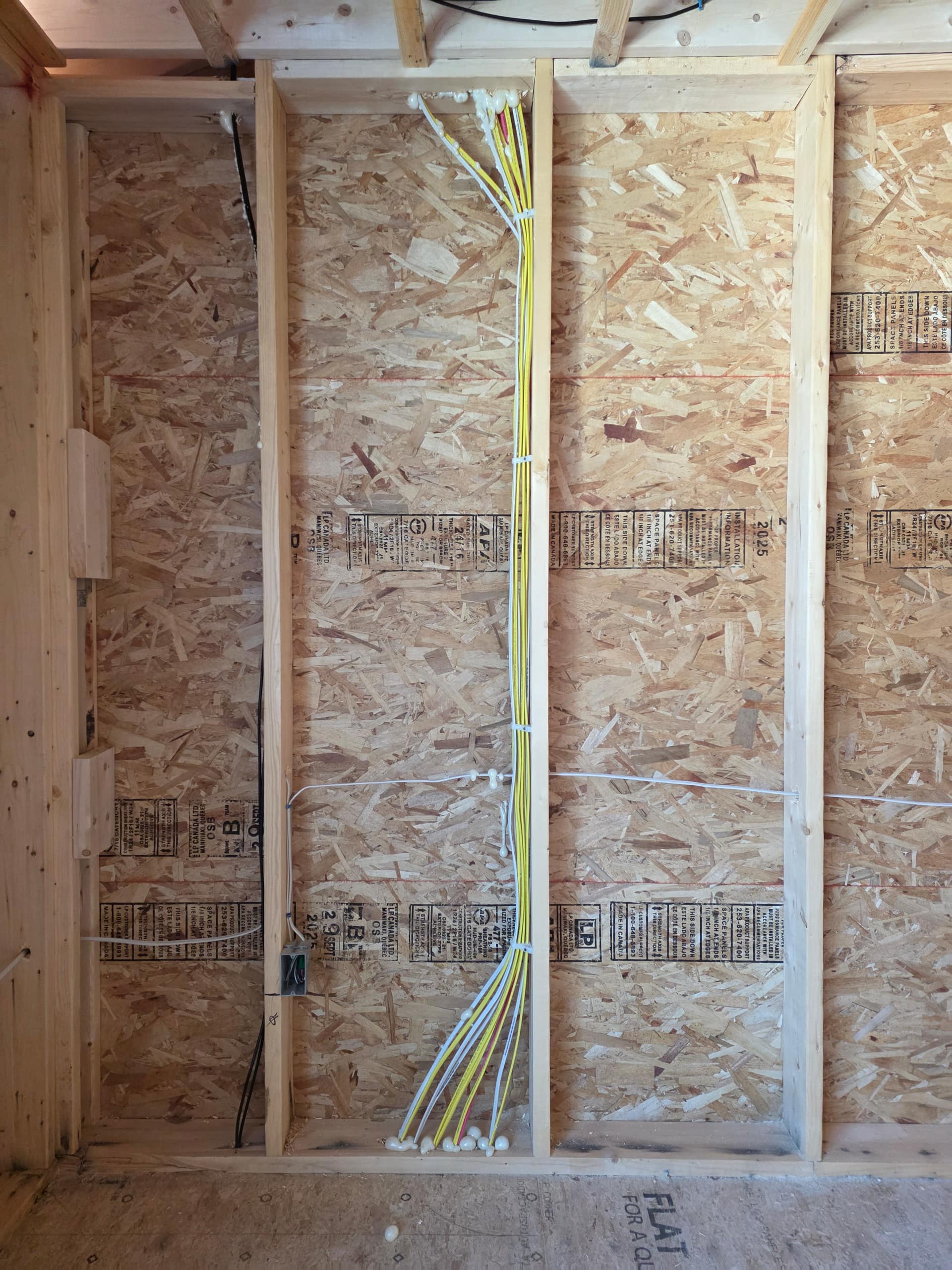
Wiring & Rewiring in Portland & Southern Maine
New Circuit Installation · Whole-Home Rewiring · Knob & Tube Replacement
- Google reviews
- Licensed & insured
- Since 2019
 Efficiency Maine Registered Vendor
- 100% Satisfaction Guarantee
Current offers & financing
See all coupons →WATER HEATER SERVICES
Financing
Financing available
Finance up to 100% of your project with low monthly payments through our lending partners. Quick approval, no prepayment penalty.
Our Approach to Wiring & Rewiring
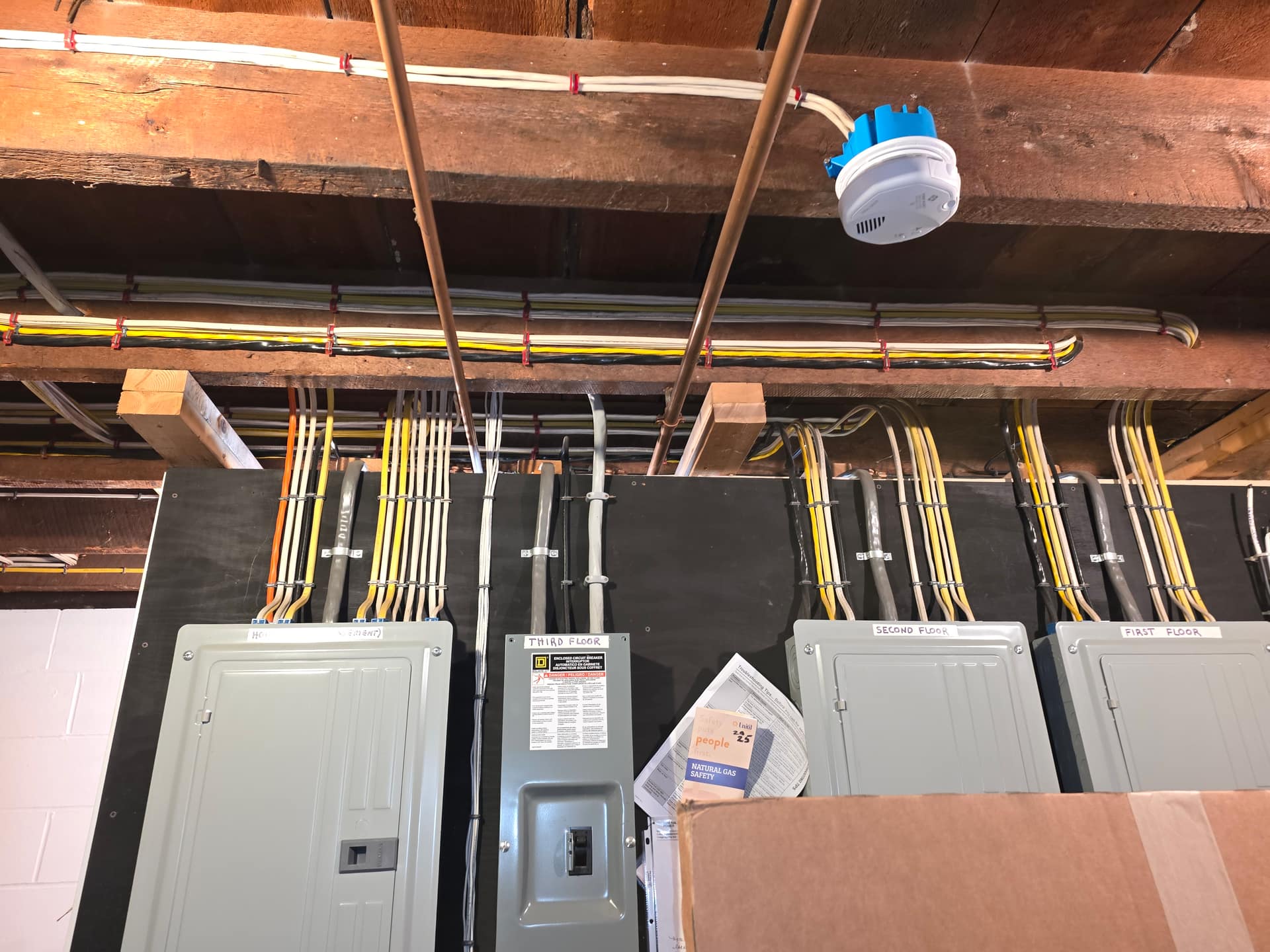
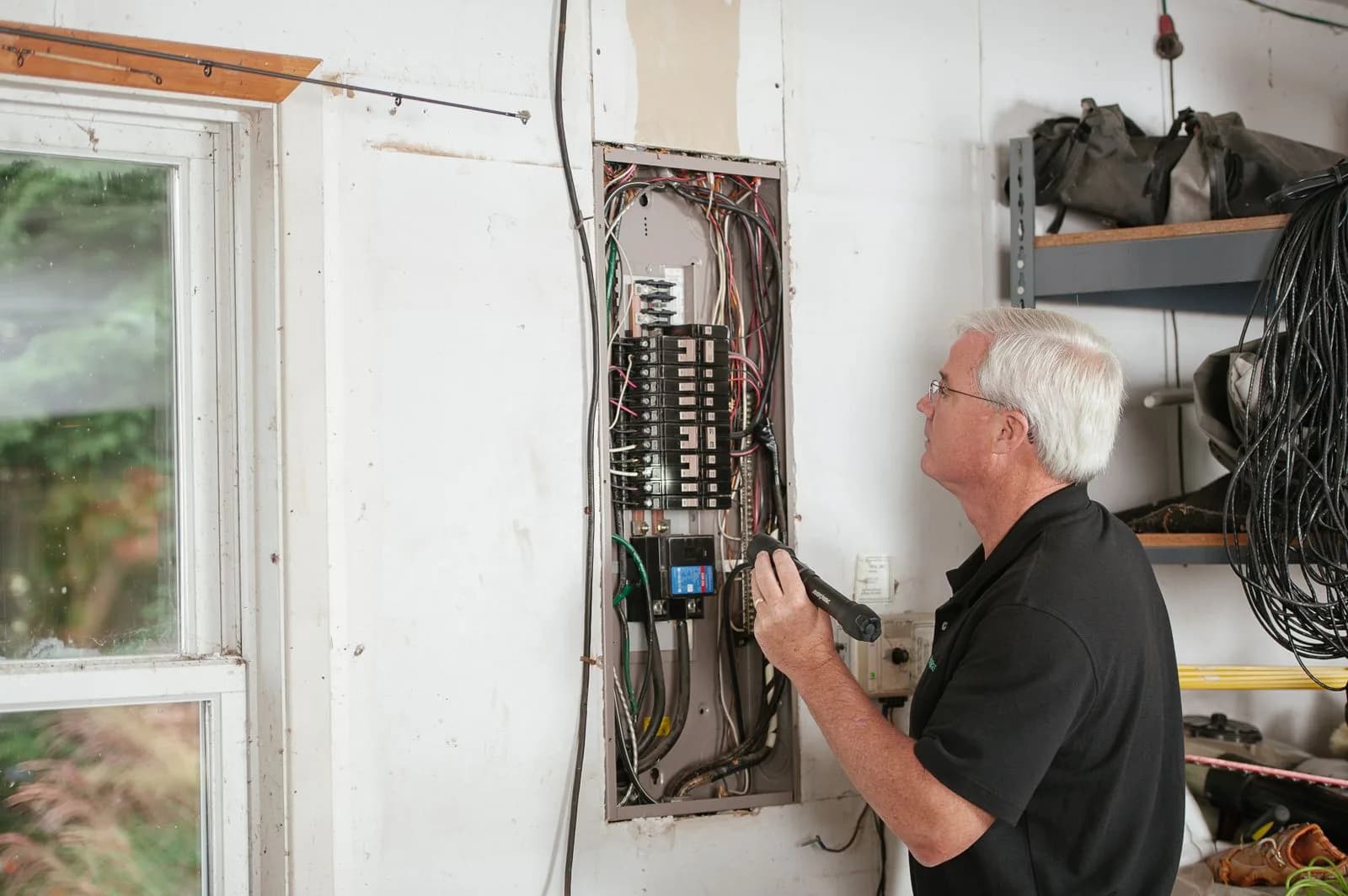
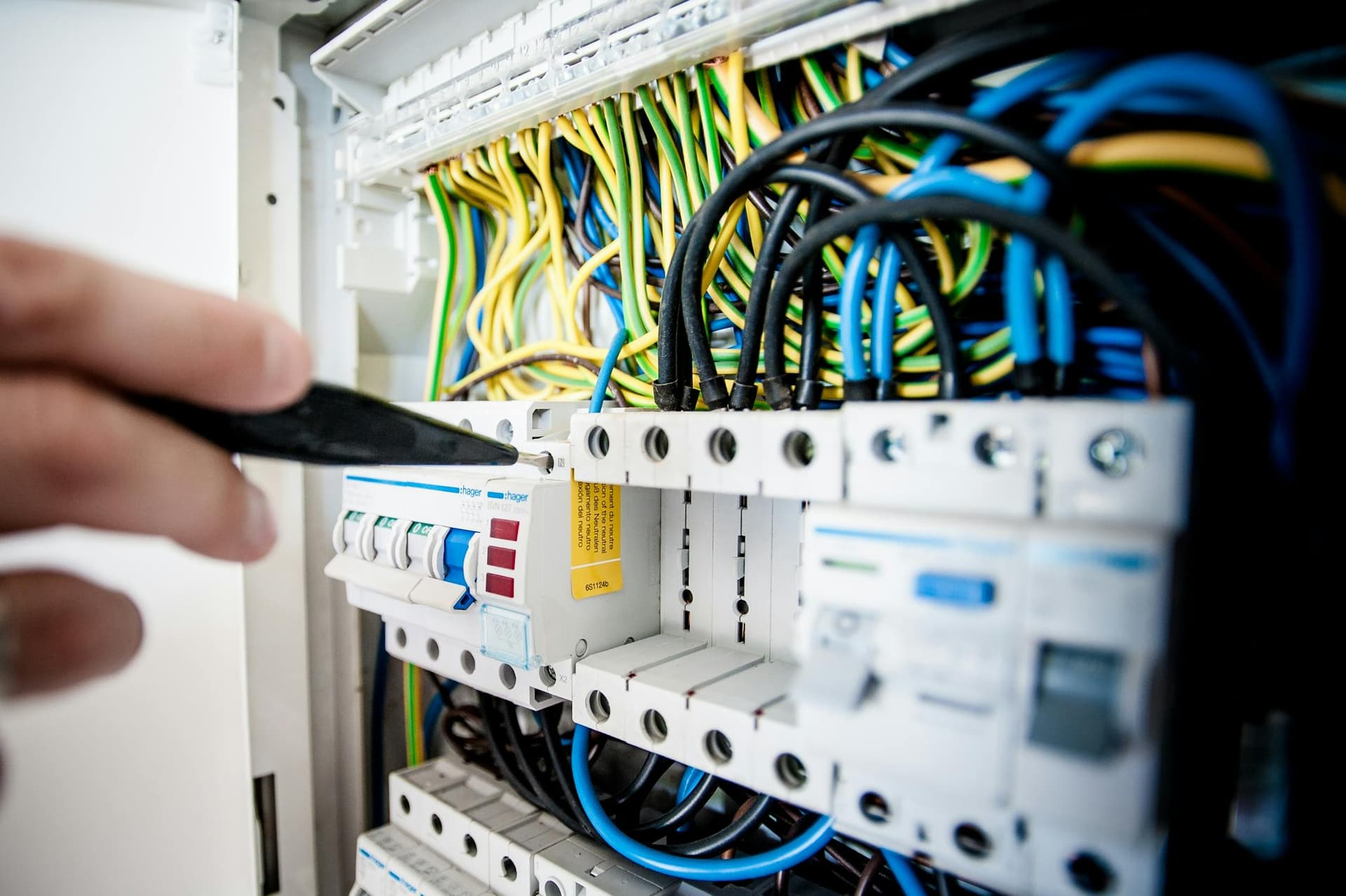
How Your Electrical Panel Works
- Meter — measures the power the utility delivers
- Main breaker — the single shutoff for the whole panel
- Branch breakers — one per circuit, trip on overload or a fault
- Neutral / ground bus — the common return and safety path
- Panel capacity — how much headroom is left for new circuits
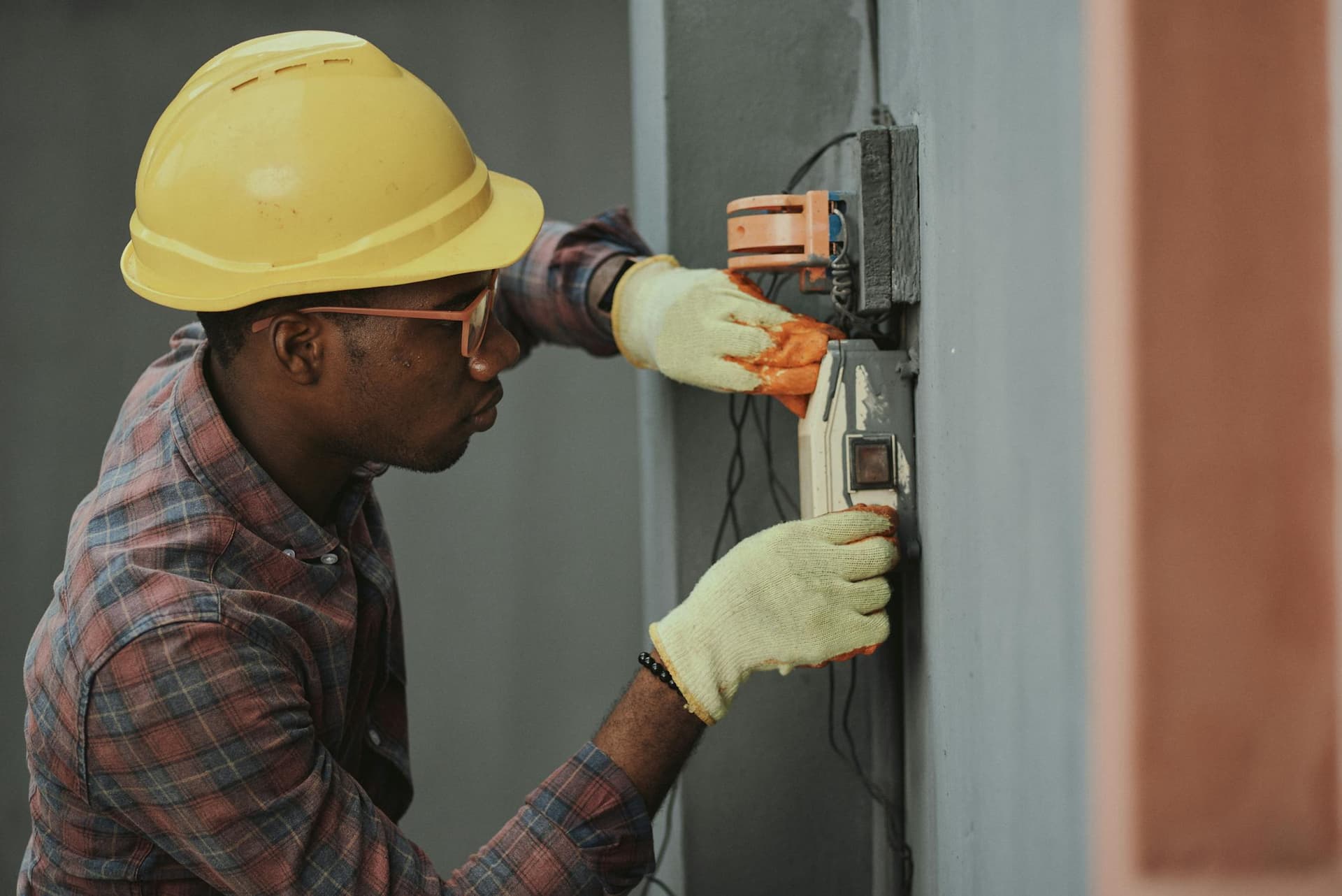
Whether you need a single new circuit or a complete rewire of an older home, Aces Highlands handles residential wiring with precision and code compliance.
Older homes in the Portland area may still have knob-and-tube or aluminum wiring that presents safety risks and insurance issues. We replace outdated wiring with modern copper wiring, properly routed and protected in every wall and ceiling cavity. A rewire often pairs with a panel upgrade for a fully modernized electrical system.
For renovations and additions, we run new circuits, install junction boxes, and ensure proper wire sizing for the intended load. We also handle plumbing and HVAC work for remodel projects, keeping everything under one roof.
Every wiring job includes proper circuit labeling, secure connections, and thorough testing. We pull permits when required and schedule inspections to ensure full code compliance.
Does Your Home Actually Need Rewiring?
Portland and Southern Maine are full of homes built before 1950, and many still carry some original wiring. The clearest cases for rewiring: active knob-and-tube (no ground, brittle insulation, and a problem for insurers), aluminum branch wiring from the 1960s-70s (connections loosen and overheat), and any wiring with cracked or crumbling insulation. Day-to-day symptoms include frequently tripped breakers, warm switch plates, flickering lights, two-prong outlets throughout the house, and a faint burning smell you cannot locate.
Not every old house needs a full rewire, though. Sometimes only certain circuits are original while others were updated in past renovations. We evaluate what is actually behind your walls and quote accordingly — as a local company without franchise sales targets, we have no reason to sell you a whole-home rewire when a partial one solves the problem.
What Does a Rewire Actually Involve?
A rewire replaces the old conductors with modern grounded copper wiring, adds proper GFCI and AFCI protection where code requires, and usually pairs with a panel upgrade so the new circuits land in a panel that can handle them. Contrary to what many homeowners fear, a rewire does not mean gutting your walls — experienced electricians fish new cable through wall cavities, basements, and attics, opening only small, targeted access points that are easy to patch.
We work room by room to keep your home livable during the project, label every circuit clearly, and finish with a municipal inspection. The work is performed under our Maine electrical license, and every box, splice, and connection is accessible and to code when we leave.
Homeowner Guide
Old Wiring, Explained: Knob-and-Tube and Aluminum Branch Circuits
Southern Maine has a lot of housing stock old enough to have gone through several wiring eras, and two of them come up constantly on inspection reports: knob-and-tube and aluminum branch-circuit wiring. Neither one means your house is unsafe today, but both mean something specific, and homeowners deserve the real explanation instead of a scare pitch.
Knob-and-Tube: What It Is and Why Insurers Care
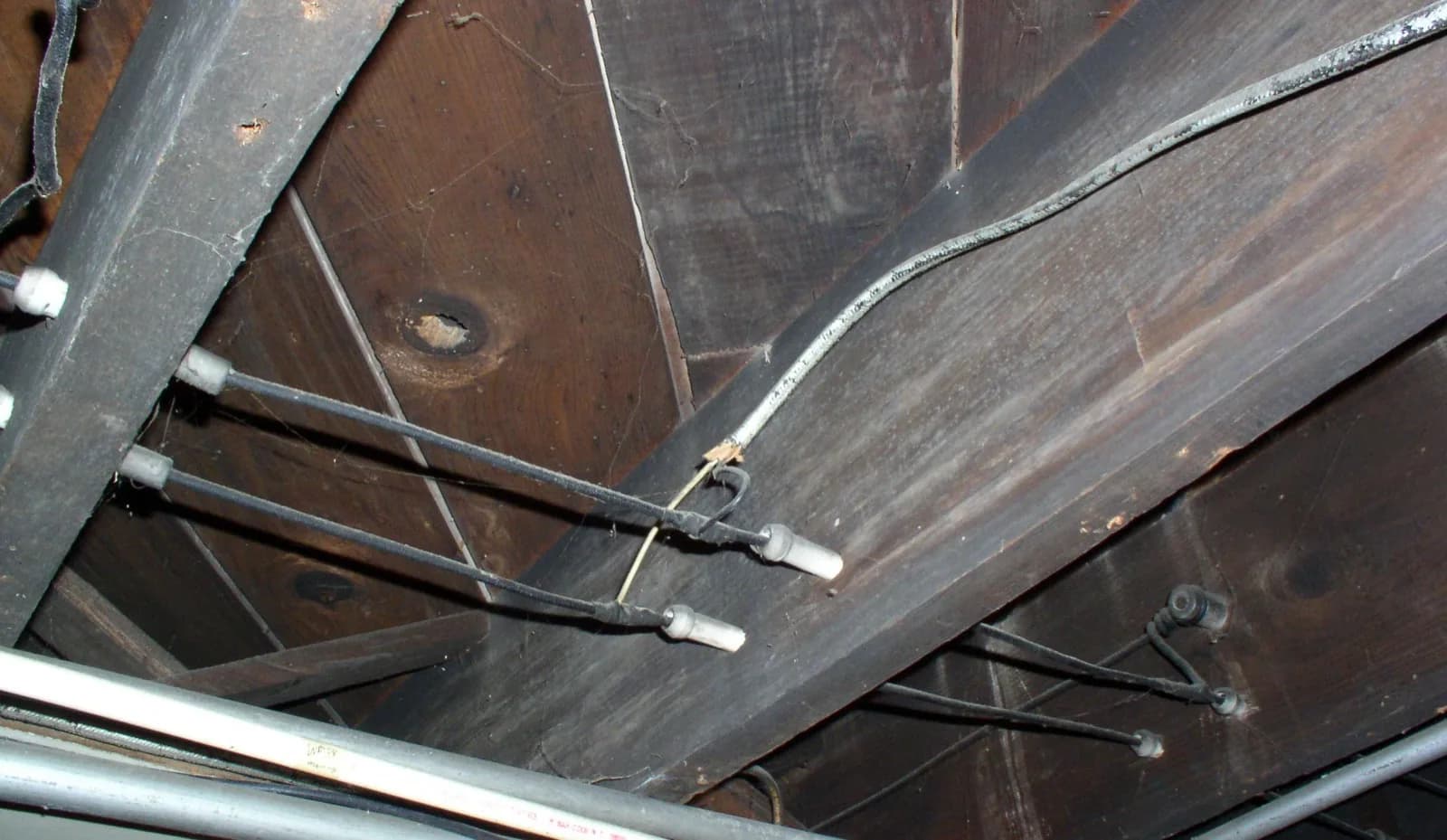
Knob-and-tube wiring was the standard method in the U.S. roughly from the 1880s through the 1940s — individual conductors run through ceramic knobs and tubes, with no ground wire and no sheathing binding the wires together. It was well-engineered for its time, and where it's still in good condition and undisturbed, it isn't automatically dangerous.
The problems show up with age and modification: the rubber-and-cloth insulation dries out and cracks over 70-plus years, and decades of homeowners adding insulation on top of it (which knob-and-tube was never designed to have touching it) or splicing into it without a junction box create real fire risk. It's also why many homeowners insurers in Maine now decline to write or renew a policy on a home with active knob-and-tube circuits, or require it be replaced first.
Aluminum Branch-Circuit Wiring (Roughly 1965–1973)
During a copper shortage in the mid-1960s and early 1970s, a lot of homes were wired with aluminum branch-circuit conductors instead of copper. The wire itself carries current fine — the issue is the connections. Aluminum expands and contracts more than copper with heating and cooling, and older devices weren't rated to handle that, so the connection loosens, oxidizes, and heats up over years of use.
The U.S. Consumer Product Safety Commission's own research on this era of wiring found connections on aluminum branch circuits failed at a dramatically higher rate than the same connections on copper — enough that it's treated as its own inspection category, not a footnote.
If your house was built or had circuits added between about 1965 and 1973, ask us to check the wire gauge markings at an outlet or the panel before you assume it's copper.
What Fixing It Actually Looks Like
- Copper pigtailing — the aluminum wire is spliced to a short copper pigtail using a connector actually rated for aluminum-to-copper joints (not a standard wire nut), then the copper pigtail lands on the outlet or switch. This is the accepted repair method and far less invasive than a full rewire.
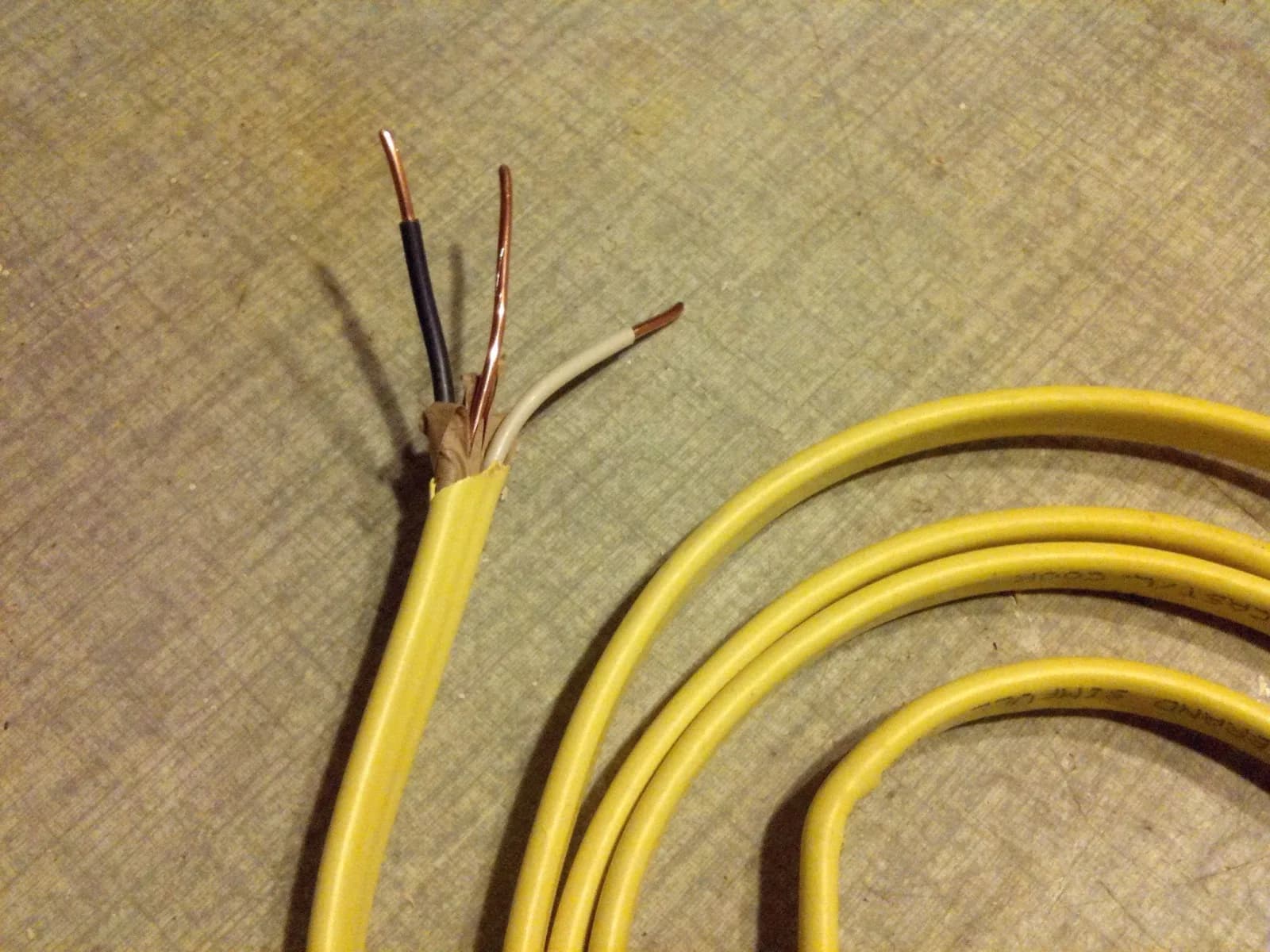
- Full replacement — for a whole-house knob-and-tube system near the end of its life, or where a remodel already has the walls open, running new copper NM cable throughout is the more permanent fix.
- Device swaps — outlets and switches rated "CO/ALR" are designed to be connected directly to aluminum wire; older devices without that rating are part of why aluminum wiring earned its reputation.
What This Means for a Panel Upgrade or Remodel
If you're already having us open up a panel or a wall for another reason — a kitchen remodel, a panel upgrade, an addition — it's the cheapest time to deal with either wiring type on that circuit, since the labor to expose it is already being spent. We flag both conditions during any panel or major electrical job rather than waiting for them to become their own emergency.
Local & Independent — Not a Franchise
Aces Highlands is a locally owned Portland, Maine company — not a national franchise. Our technicians are not commissioned salespeople and nobody here is required to upsell you anything. We do the work you called us for, do it right, and earn the next call. That is the whole business model.
Licensed Maine Electrician
Every electrical job is performed under a State of Maine electrician's license (#MS60023157), permitted and inspected for full code compliance. Fully insured. Free estimates across Greater Portland & Southern Maine.
More Electrical Services
What does Wiring & Rewiring cost in Maine?
$8,000–$20,000
Whole-home rewiring runs roughly $4–$10+ per square foot depending on access, home age, and finish level; a partial rewire of only the original knob-and-tube or cloth-wrapped circuits costs far less.
Every job starts with a free, no-obligation estimate — you get the exact price before any work begins.
Why homeowners choose Aces Highlands
We show up when we say
We show up on time, as promised, and complete the work with clean professionalism.
Pricing upfront, before work starts
Honest diagnostics and a clear price before any work begins — no surprises on the invoice.
Done right the first time
HVAC, plumbing and electrical done right the first time — backed by our workmanship guarantee and 100% satisfaction guarantee.
Locally owned in Portland, Maine · Serving Greater Portland and Southern Maine since 2019
Google reviews
What Electrical customers say
Malina Foss
3 months ago
I can not recommend Sam and his team enough!! In a world of slow response times and cut corners they went above and beyond in every area, installing a new electrical panel for me. Their attention to detail and love of their craft truly sets them apart from the rest!
Susan Donegan
3 months ago
We have called Samuel for our electrical needs over the last few years and have always been impressed with professional and courteous attitude — installing extra outlets, installing new lights and ceiling fans, our whole house generator, charger for the electric car, even the hot tub!!! His price was fair, and never disappointed when work was completed.
Amanda R
2 months ago
I've had an excellent experience working with them for both electrical and HVAC work as I remodel my 1785 home. I highly recommend them.
Ryan Eling
3 months ago
This team was called in by my property management company for where I rent. Elijah and his team were professional, clear speaking. Good communicators gave me the real deal. Didn't give any runaround. I trust them and want to use them for my own projects.
Christian van Loenen
4 months ago
Beyond impressed with Elijah and his team. Professional, communicative, and do great work. HIGHLY recommend. Thank you, Elijah!
John Walton
5 months ago
I've had three HVAC issues over the past two years. Each time I call, Elija or the office picks up the phone, and my problem is fixed in 24 hrs. Their solutions always feel correct and honest. I cannot recommend them more.


Wiring & Rewiring FAQs
Will my insurance company cover a home with knob-and-tube wiring?
Increasingly, no. Many insurers in Maine decline coverage or charge steep premiums for homes with active knob-and-tube, and some require replacement before closing on a sale. Rewiring resolves the insurance problem and removes a genuine fire risk at the same time.
How much does it cost to rewire a house?
Nationally, whole-home rewiring typically runs $4-$10+ per square foot depending on access, home age, and finish level — a partial rewire of only the original circuits costs far less. After walking your home, we quote a firm written price so there are no surprises.
Do you have to open up all my walls to rewire?
No. We fish new wiring through existing cavities from basements, attics, and small access openings. Some targeted drywall openings are usually necessary, but they are modest and easy to patch — nothing like the gut job people imagine.
How long does a whole-home rewire take?
Most single-family rewires take several days to a week depending on size and access. We stage the work so you keep power in the rooms you are living in, and we walk you through the schedule before we start.
Can I just add GFCI outlets instead of rewiring?
Sometimes. GFCI protection can add shock protection to ungrounded circuits and is a legitimate, code-recognized improvement. But it does not fix deteriorated insulation or overloaded conductors. We will tell you honestly which situation you have — protection upgrade or genuine rewire.
More Ways We Can Help
Google ReviewsServices
38Explore the rest of what we do, from…
All ServicesHeat Pumps & Mini-SplitsHVAC ServicesBoilers & Hydronic HeatingFurnace Repair & InstallationResidential PlumbingWater HeatersElectrical ServicesHeat Pump InstallationHeat Pump RepairHeat Pump MaintenanceDuctless Mini-SplitsAC InstallationAC RepairBoiler InstallationBoiler RepairBoiler MaintenanceRadiant Floor HeatingFurnace InstallationFurnace RepairFurnace MaintenanceLeak Detection & RepairFixture InstallationDrain CleaningSewer Line Repair & ReplacementTank Water HeatersTankless Water HeatersWater Heater RepairPanel UpgradesOutlet & Switch InstallationLighting InstallationEV Charger InstallationGenerator InstallationElectrical Repair & TroubleshootingEmergency ServicesEmergency Heating RepairEmergency PlumberEmergency Electrician
Service Areas
48We proudly serve communities throughout Southern Maine, including…
Portland, MaineSouth Portland, MaineScarborough, MaineWestbrook, MaineGorham, MaineFalmouth, MaineCape Elizabeth, MaineCumberland, MaineWindham, MaineStandish, MaineGray, MaineNew Gloucester, MaineRaymond, MaineNorth Yarmouth, MaineYarmouth, MaineFreeport, MainePownal, MaineBridgton, MaineBrunswick, MaineHarpswell, MaineAugusta, MaineWinthrop, MaineGardiner, MaineHallowell, MaineTopsham, MaineBath, MaineLewiston, MaineAuburn, MaineLisbon, MainePoland, MaineTurner, MaineSabattus, MaineBiddeford, MaineSaco, MaineOld Orchard Beach, MaineKennebunk, MaineKennebunkport, MaineWells, MaineKittery, MaineYork, MaineBuxton, MaineWaterboro, MaineBerwick, MaineSouth Berwick, MaineEliot, MaineNorth Berwick, MaineLebanon, MaineSanford, Maine
Guides & Tips
8Learn more in our blog, with articles such as…
HVAC & Plumbing BlogWhat to Do When Your Heat Goes Out in WinterWhy Your Heat Pump Is Freezing Up — and How to Fix ItTankless vs. Tank Water Heater: Which Is Best for Your Maine Home?How Much Does a Heat Pump Cost in Maine? (Plus Efficiency Maine Rebates)Heat Pump vs. Furnace: Which Is Right for Your Maine Home?5 Signs Your Boiler Needs ReplacementSigns Your Electrical Panel Needs an Upgrade
Company
8A few more places to begin include…
Get a Quote in Portland, Maine
Request Service
Fill out the form below to request an estimate or schedule service.
“*” indicates required fields
Need it today?Call (207) 670-8616