

November 3, 2026
Carbon Monoxide Safety for Maine Homes This Heating Season
Carbon monoxide is a gas you cannot see, smell, or taste, and it is produced any time fuel is burned. In Maine, where most homes run oil, propane, or gas heat for months at a time, it is worth a few minutes every fall to make sure your family is protected.
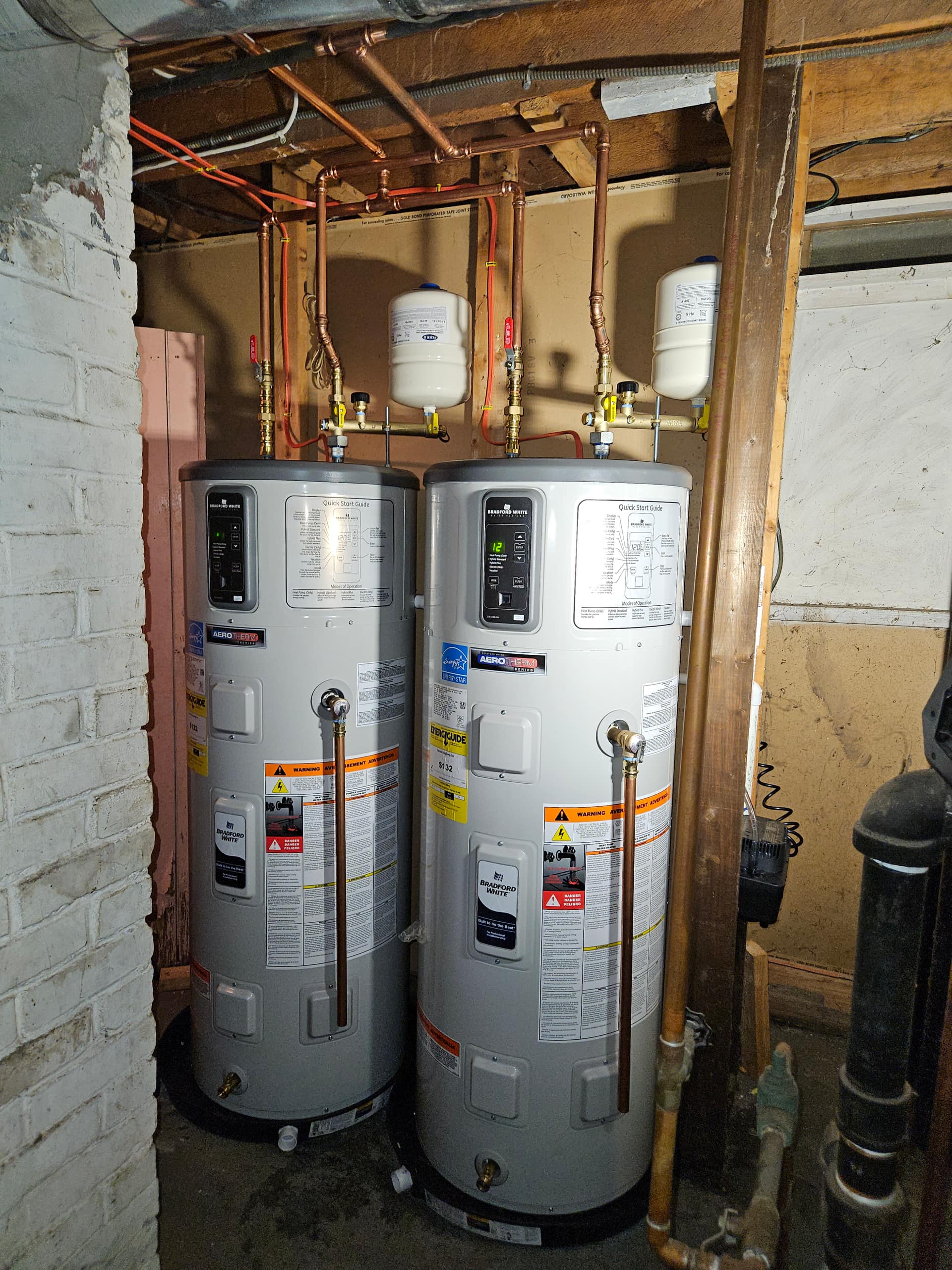
Know where it comes from. Oil, gas, and propane furnaces and boilers, gas water heaters, wood and pellet stoves, fireplaces, gas ranges, portable generators, and cars running in an attached garage can all produce carbon monoxide. When equipment is working and venting properly, the gas goes safely outside. Problems start when a heat exchanger cracks, a chimney or vent gets blocked, or fuel is burned in the wrong place.
Learn the symptoms. According to the CDC, the most common signs of carbon monoxide poisoning are headache, dizziness, weakness, upset stomach, vomiting, chest pain, and confusion. They are easy to mistake for the flu. If several people in the house, or your pets, feel sick at the same time and feel better away from home, take it seriously.
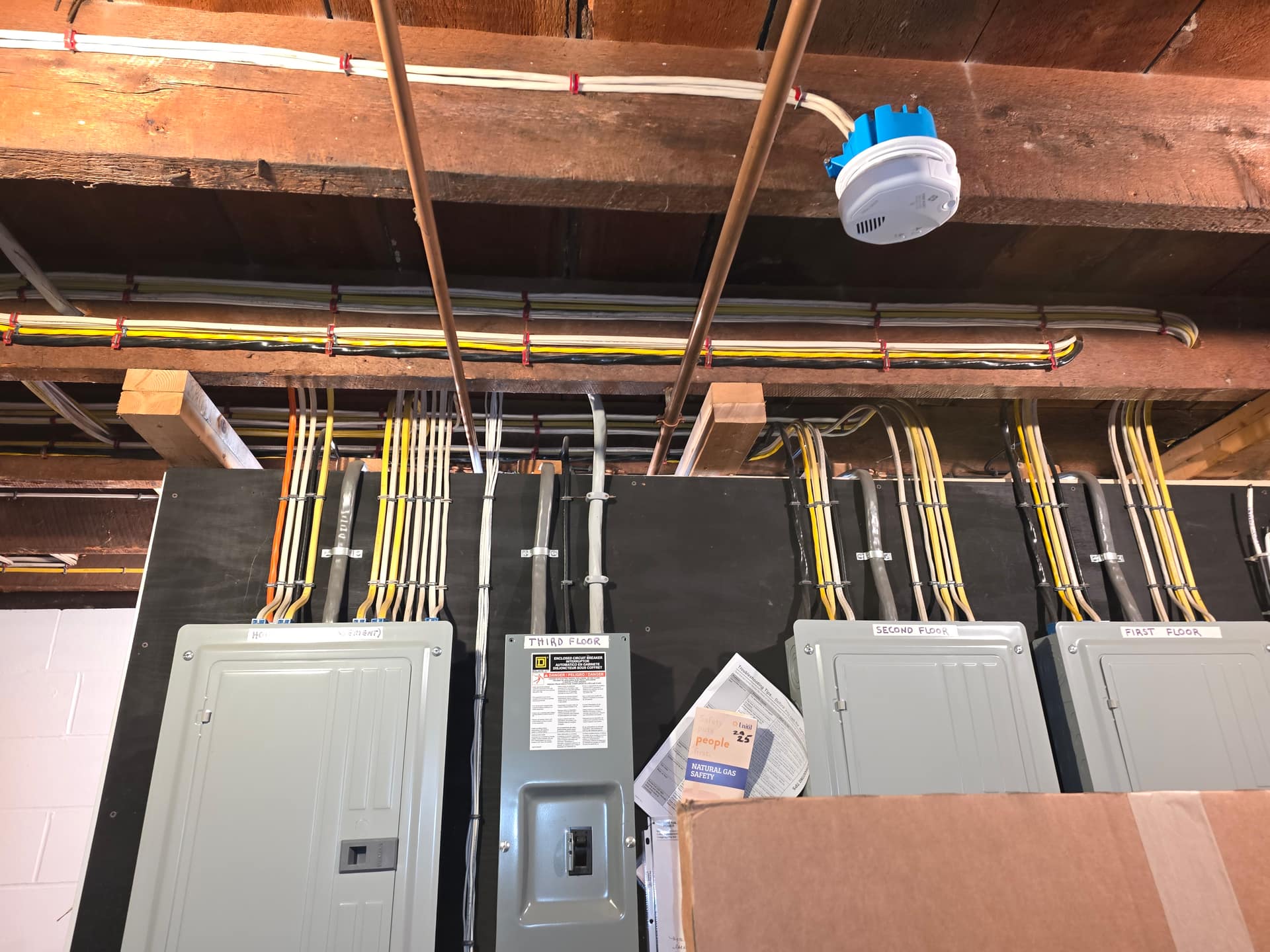
Put CO alarms in the right places. The National Fire Protection Association recommends carbon monoxide alarms on every level of the home and outside each sleeping area. Test them monthly, and replace them on the schedule printed on the alarm, because the sensors wear out.
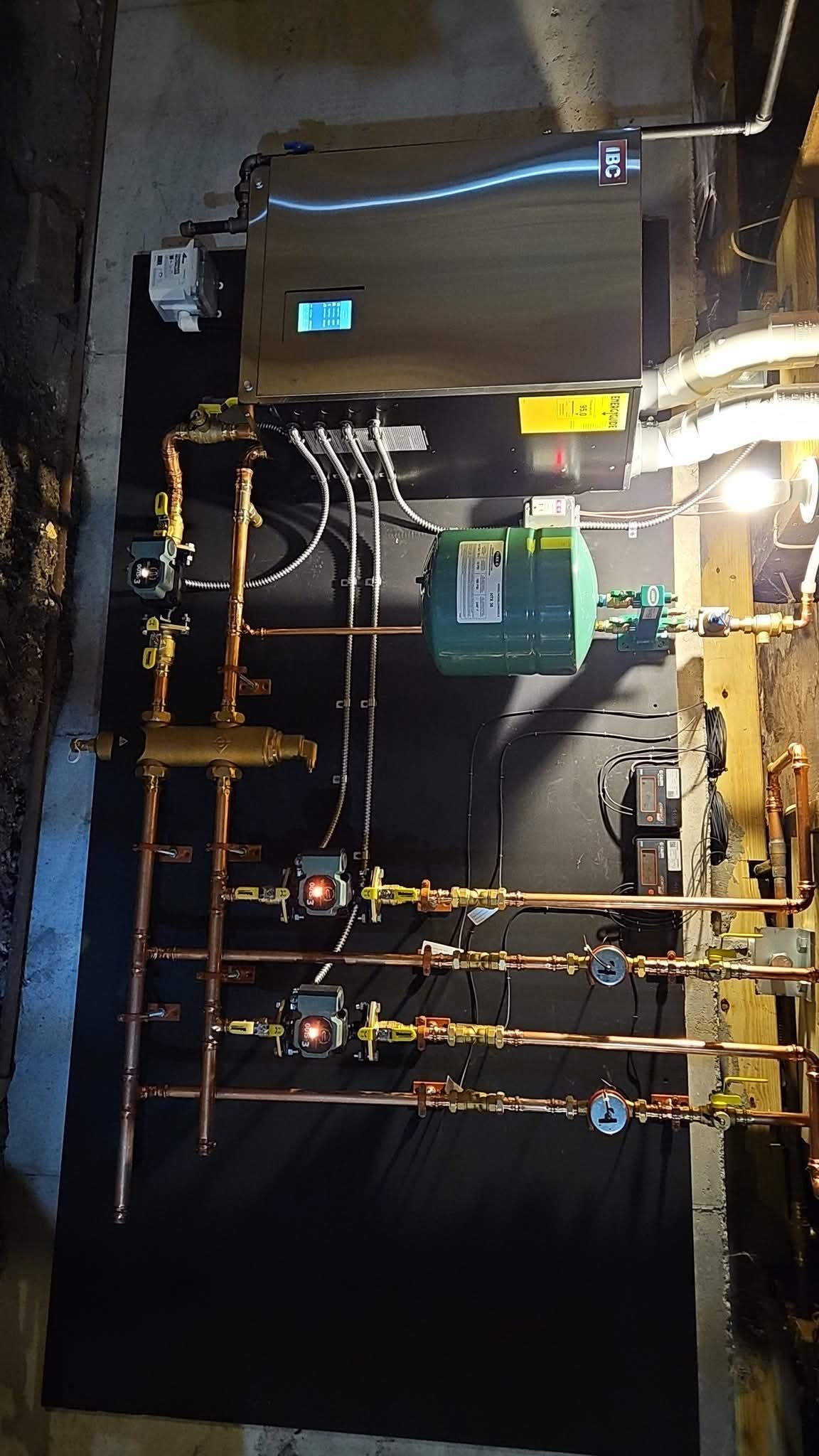
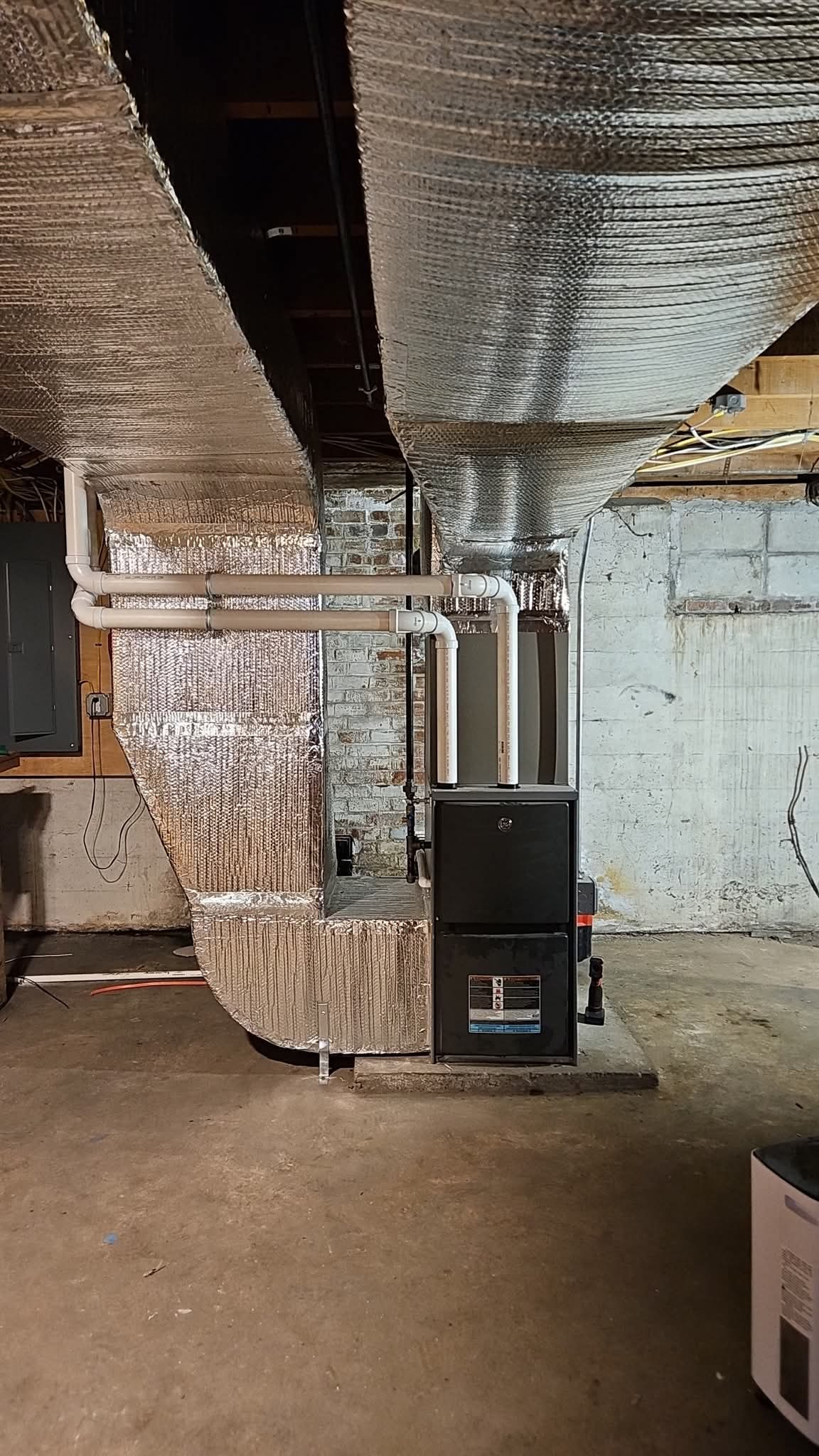
Keep vents clear of snow. Many high-efficiency furnaces and boilers vent through plastic pipes in a side wall instead of a chimney. After a big storm or a roof slide, those pipes can be buried, which can shut the system down or push exhaust back toward the house. Check the intake and exhaust pipes after every major snowfall and clear them by hand.
Use generators and heaters safely. Never run a generator in the house, basement, or garage, even with the door open, and keep it well away from windows, doors, and vents. Never use a gas oven or range to heat your home, and never use a grill or camp heater indoors.
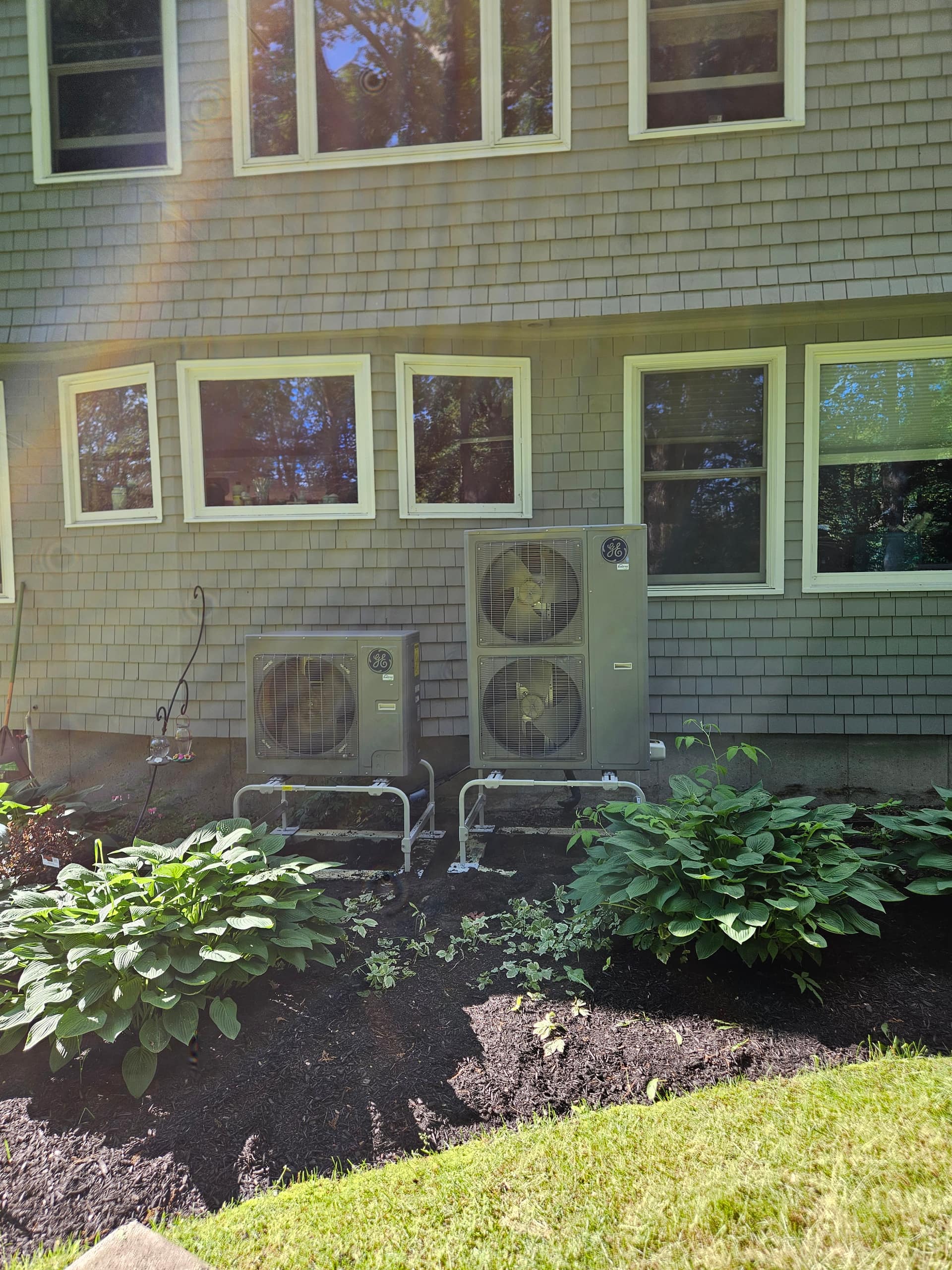
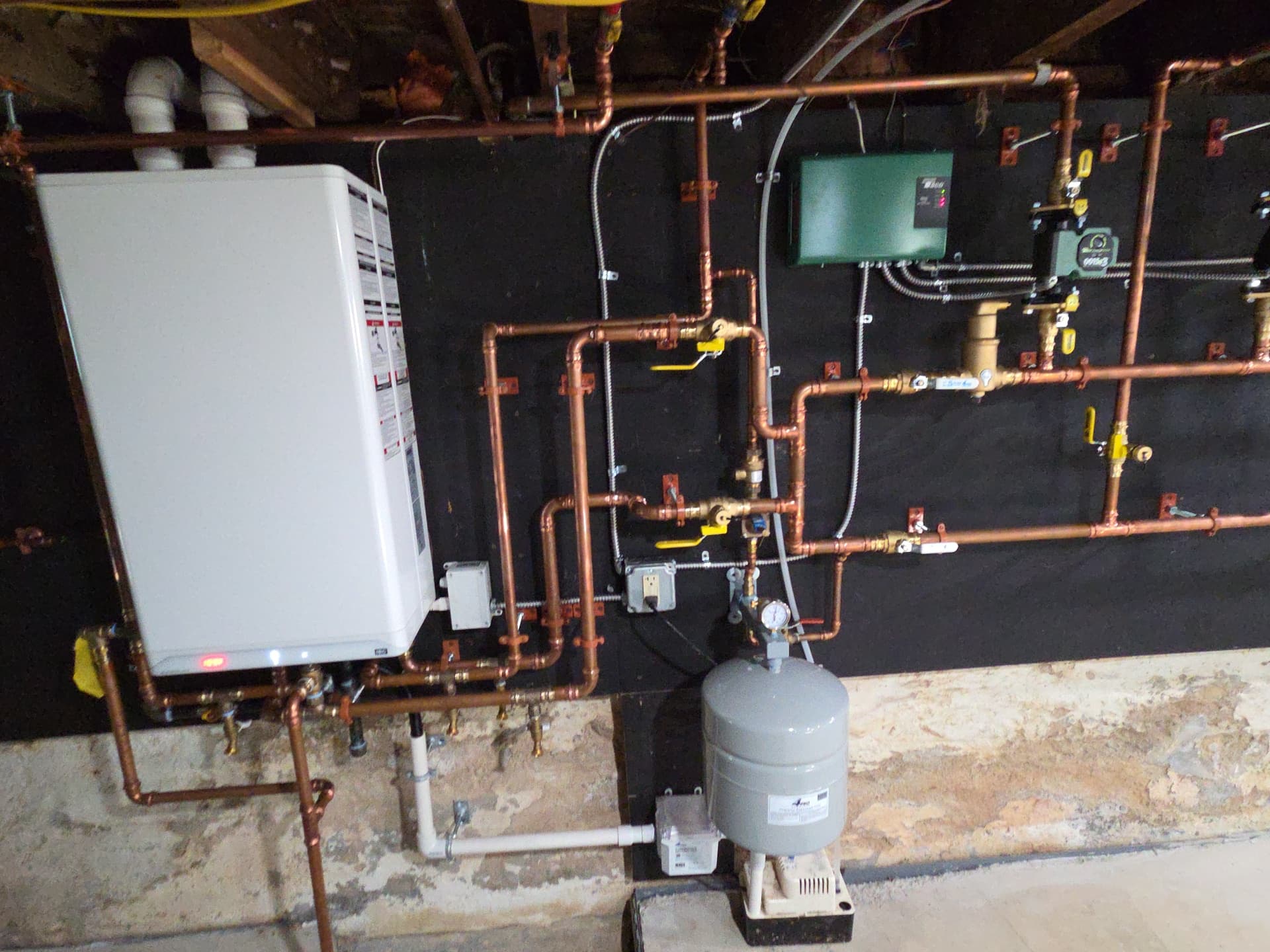
Have your heating system checked every year. The CDC recommends that a qualified technician inspect your heating system, water heater, and any other gas, oil, or coal-burning appliance every year. An annual tune-up catches cracked heat exchangers, failing draft, and blocked flues before they become dangerous, and it keeps the system running efficiently. Homeowners who switch to an electric heat pump remove the combustion source for heating entirely.
If your CO alarm goes off, get everyone outside into fresh air right away and call 911 from outside. Do not go back in until emergency responders say it is safe. Then have the appliance that caused it inspected before you use it again. A cold house can lead to frozen pipes, but nothing is worth the risk of running unsafe equipment.
Aces Highlands inspects, services, and repairs oil, gas, and propane heating equipment across Greater Portland and Southern Maine, with emergency service for no-heat and safety calls. Call us to book your heating system check before the coldest weeks arrive.
Sources
Need Help With Your System?
Contact Aces Highlands for honest diagnostics and quality service.
More Ways We Can Help
Google ReviewsServices
39You can also count on our technicians for…
Service Areas
48Neighbors across the region trust us, including in…
Guides & Tips
9Get expert tips from our writing, including…
Company
8Helpful pages to start with include…